
Holden: The Iconic Australian Car Brand and Its Final Days
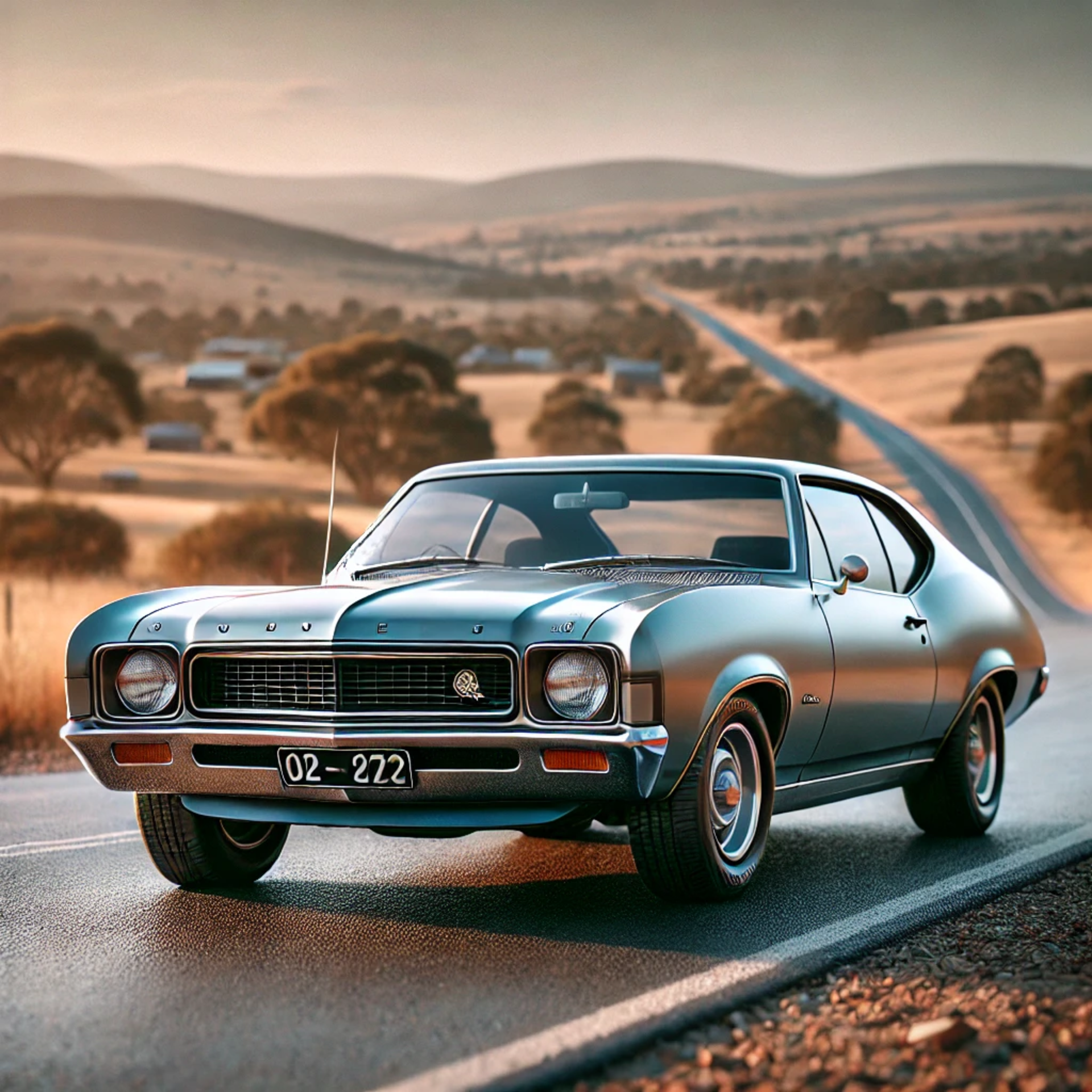
Holden: The Iconic Australian Car Brand and Its Final Days
For over a century, Holden was a staple of Australian automotive culture, symbolising ingenuity, strength, and pride. From its early days to its final moments, Holden played a pivotal role in shaping the country’s car industry. Let’s take a look at the rise, the impact, and the eventual closure of Holden in Australia.
The Early Years: From Saddles to Cars
Holden’s origins can be traced back to 1856 when James Alexander Holden founded a saddlery business in Adelaide, South Australia. As transportation evolved, so did Holden, transitioning from horse saddles to car body manufacturing by 1914. The company grew rapidly, and in 1931, it became a subsidiary of the US-based General Motors, forming General Motors-Holden’s Ltd (GMH).
Holden quickly established itself as a key player in the automotive industry, especially post-World War II, when demand for personal vehicles surged.
The Golden Age: Holden’s Peak in Australia
In 1948, Holden launched the first mass-produced Australian car, the Holden 48-215 (commonly known as the FX). It was an instant hit, admired for its toughness, affordability, and suitability for the rugged Australian landscape. Holden’s cars soon became synonymous with Australian identity.
Throughout the 1960s and 70s, Holden dominated the market with models like the Kingswood, Monaro, and Torana. By the 1970s, Holden was Australia’s most popular car brand, with its vehicles being a common sight on the nation’s roads.
The Commodore, introduced in 1978, cemented Holden’s reputation. It became one of the best-selling cars in Australia, beloved for its durability, performance, and local manufacturing.
Challenges in the 21st Century
However, as globalisation and foreign competition intensified in the 2000s, Holden began facing mounting challenges. Production costs in Australia were high, and the strong Australian dollar made local manufacturing less competitive against cheaper imports. The rise of Japanese and European brands also put pressure on Holden’s market dominance.
Despite government support and new model introductions, Holden found it difficult to maintain profitability. The closure of Ford’s Australian manufacturing in 2016 was a precursor to what would soon be Holden’s own struggle for survival.
The Final Days: End of an Era
In 2013, Holden announced that it would cease manufacturing cars in Australia by 2017. The decision marked the end of an era for the country’s automotive industry. On 20th October 2017, Holden’s Elizabeth plant in South Australia produced its last car, a Holden VFII Commodore, closing a chapter in Australian motoring history.
Holden continued as an importer of cars until February 2020, when General Motors announced that it would retire the Holden brand altogether. The decision was attributed to global restructuring within GM and a lack of profitability in the Australian market.
Holden’s Legacy in Australia
The closure of Holden marked the end of Australia’s once-thriving car manufacturing industry. Despite its demise, Holden’s legacy remains deeply embedded in the country’s automotive culture. Holden cars are still cherished by enthusiasts and collectors, and models like the Commodore and Monaro continue to evoke nostalgia.
Many Australians grew up with Holden cars in their driveways, making road trips, or racing them on the iconic Mount Panorama in Bathurst. Holden was more than just a car brand; it was a symbol of Australian ingenuity and resilience.
Conclusion
While Holden is no longer a presence in Australian showrooms, its influence remains undeniable. The brand’s cars, innovations, and rich history will always hold a special place in the hearts of Australians. As we look back at Holden’s remarkable journey, we remember the joy, pride, and connection the brand brought to the nation for over 160 years.